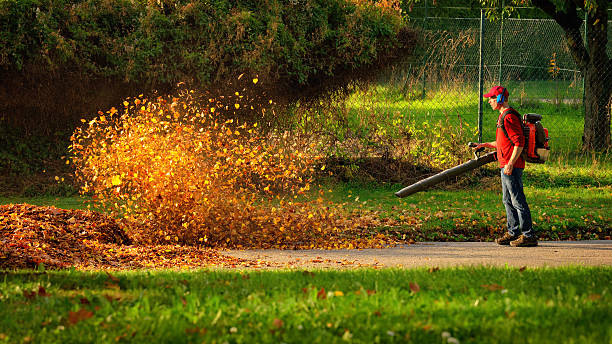
“Foliis tantum ne carmina manda, ne turbata volent rapidis ludibria ventis; ipsa canas oro.”
Aeneid, Book VI, 74-76
“To leaves only do not entrust the songs, do not let them be the playthings of the disturbed, rapid wind; I ask you to sing them yourself.”
I hate leaf blowers. Although I am a disturber, I seek the light and order of intertextuality. Aeneas makes this plea to the Cumaen Sibyl, foretold in book III; “You will see a mad prophetess, who . . . to leaves entrusts notes and words.” The Sibyl appears in Dante’s cathedral of intertextuality, the Divine Comedy, in Paradiso where he catches a fleeting glimpse of the divine that “even thus upon the wind in the light leaves were the soothsayings of the Sibyl lost.” For me, piecing together leaves of text illuminates divine order in the chaos of human experience.
Notes: Robert Hollander, The Sibyl in Paradiso 33.66 and in De civitate Dei 18.23
Piero Boitani, The Sibyl’s Leaves: A Study of Paradiso XXXIII
 Roger Valdez