Here’s my Epiphany in 300 words, 100 for Virgil, Aeneas, and then myself.
I’m no Virgil scholar, but my dive into book six confirmed my intuition that the Aeneid is a far more skeptical work than might appear on the surface. By modern standards, Aeneas’ weepy call out to Dido is basically, “The gods made me do it.” Odysseus is known for being deceptive. Virgil cast Aeneas as lost not so much geographically, but temporally; he doesn’t know when he is. As for Rome, Virgil ends the book with Anchises letting the Sibyl and Aeneas through the gate that offers up false dreams to the living. Was Virgil a courtier with a grudge?
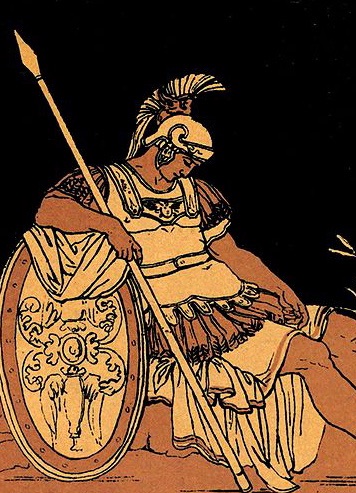
As for Aeneas, he’s, in many ways, a Mr. Magoo sort of hero. What Virgil does for him as a character, is set his inability to understand and act on his fate effectively with his will in the context of a broader Olympian feud; Aeneas may be clueless and a cad, but he’s a destined one. My problem with Aeneas are the great people left in his wake; Dido, Camilla, and even Pallus and Turnus. Aeneas himself seems like one of the Sibyl’s leaves, blown about by the wind. Yet his destiny has, as Malvolio said, been “thrust upon him.”
As for insights on myself, I do feel the forces of fate. Like Aeneas, my life is littered with collateral damage. Am I perceived as an asshole because I have been pulled, dragged over others by what some outside force has dictated? Unlike Aeneas, I have no Olympian drama to point to; Juno has not burned my boats. Yet, I can’t think of how I would have done anything different. I don’t need to know God’s mind because knows mine. That’s satisfying to me if not to others. In His mind my story is just beginning and is already over.
 Roger Valdez