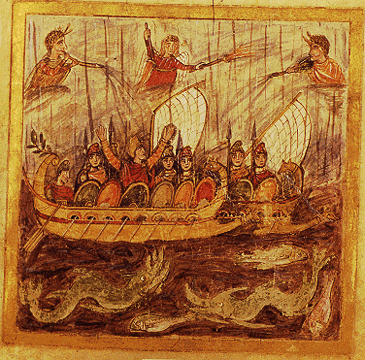
Sic fatur lacrimans classique immittit habenas, et tandem Euboicis Cumarum adlabitur oris. obvertunt pelago proras, tum detem tanaci ancora fundabit navis, et litora curvae praetexunt puppes.
Aeneid, Book VI, 1-5
So he speaks weeping, loosening the reins of the fleet, and finally, it glides up to the edge of the Eubonean Cumae. They turn the prows against the sea, the the ships anchor bites the bottom, and they back the boats up to the shore.
Aeneas has lost a friend and colleague, Palinurus, his helmsman, at the end of Book V. The ships had been drifting without his guidance. Aeneas with tears in his eyes for his lost friend, opens the sails of the ship; the use of habenas, reins, is to compare that action with slackening the tension on the reins of a horse. The ships turn around to face the open sea, dropping anchors that “bite” the bottom. When we find something new, it might be because we lost something we knew. We should rush toward the new thing, and bite into it.
 Roger Valdez